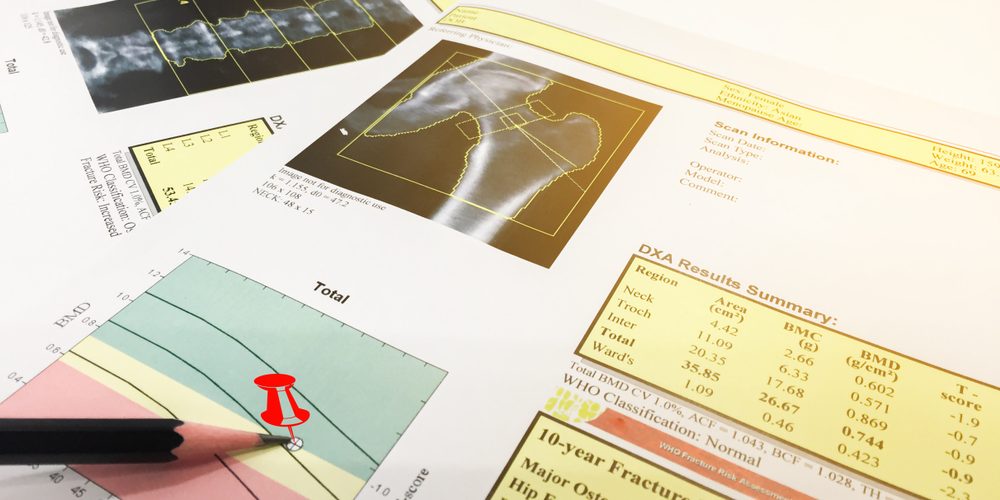
DEXA (dual-energy X-ray absorptiometry) scans use cutting-edge technology to measure body composition (such as body fat/lean muscle mass ratios) and bone density. But are DEXA scans accurate? It’s a fair question and an important one. After all, when you’re making decisions about your health, you want data you can trust.
At Florida Center for Hormones and Wellness, we’re excited to offer DEXA scans in Orlando as part of a comprehensive, preventive care approach. More importantly, we’re here to help you understand what this test can (and cannot) tell you. While DEXA scans can be highly accurate, their usefulness depends on how the data is applied.
Let’s take a deeper look.
What Does “Accuracy” Mean in a DEXA Scan?
Accuracy in medical testing can mean a few different things:
- How close a measurement is to the true value
- How consistent are the results over time
- How useful is the data for clinical decision-making
DEXA scans perform well across all three areas, especially compared to other commonly used tools. They are widely considered the gold standard for bone density testing, one of the most accurate methods available for body composition analysis, and a reliable way to track changes in your body over time. That said, the type of insight you gain and how precise that insight is depends on what you are specifically measuring, whether that is bone health, fat distribution, or muscle mass.
Accuracy for Bone Health
When it comes to bone density, DEXA scans are widely regarded as the most accurate and clinically validated option available.
Why DEXA Is So Accurate for Bone Density
DEXA uses two low-dose X-ray beams at different energy levels. By measuring how these beams are absorbed by bone tissue, the scan can calculate bone mineral density with a high degree of precision.
This allows providers to:
- Detect early bone loss (osteopenia)
- Diagnose osteoporosis
- Assess fracture risk
Unlike standard X-rays, which only show structural changes after significant bone loss has occurred, DEXA can detect subtle changes much earlier. This makes it incredibly valuable for preventive care.
Consistency Over Time
DEXA scans are also highly reproducible. When performed under consistent conditions, they can detect even small changes in bone density over time. This is essential for monitoring treatment progress and adjusting care plans.
In short, if your goal is to understand bone health, DEXA is one of the most accurate tools available in modern medicine.
Accuracy for Body Composition
DEXA scans are also widely used to assess body composition, and they are considered significantly more accurate than most consumer-level tools.
What DEXA Measures
DEXA provides a detailed breakdown of:
- Total body fat percentage
- Lean muscle mass
- Bone mass
- Visceral fat levels
- Regional distribution of fat and muscle
This level of detail allows for a much deeper understanding of your body than a scale or BMI calculation.
How Accurate Is It?
DEXA is generally considered accurate within 1 to 2 percent for body fat measurement, which is far more precise than:
- Bioelectrical impedance (InBody scans)
- Skinfold calipers
- Standard weight scales
However, it’s important to understand that small variations can still occur, as factors like hydration status, recent exercise, and even meal timing can slightly influence results.
Even with this minor variability, DEXA excels in one critical area: trend tracking.
When scans are repeated over time under similar conditions, they provide a clear picture of changes such as fat loss versus muscle gain, shifts in visceral fat, and overall improvements in body composition. This consistency makes DEXA an incredibly powerful tool for guiding weight loss, fitness, and hormone optimization programs.
Accuracy for Metabolic Health Insights
DEXA scans are not direct diagnostic tools for metabolic diseases, but they provide highly accurate data that correlates with metabolic health.
What DEXA Can Reveal
One of the most valuable metrics is visceral fat—the fat stored around your internal organs. High levels of visceral fat are strongly associated with:
- Insulin resistance
- Cardiovascular disease
- Inflammation
- Hormonal imbalances
DEXA provides a clear and measurable way to assess this risk factor.
Indirect but Meaningful Accuracy
While DEXA does not measure blood sugar, cholesterol, or hormone levels directly, it offers structural insight into how your body is functioning.
For example:
- Low muscle mass may indicate metabolic inefficiency
- High visceral fat may signal increased disease risk
- Imbalanced fat distribution can reflect hormonal issues
In this sense, DEXA is highly accurate as a predictive and supportive tool, especially when combined with other forms of testing.
How a DEXA Scan Works to Deliver Accurate Results
The accuracy of a DEXA scan comes from its underlying technology and the way it directly measures different types of tissue in the body.
Dual-Energy X-Ray Technology
The precision of DEXA technology lies in its ability to differentiate between various bodily tissues through direct measurement. By utilizing dual X-ray beams set to distinct energy levels, the scan passes through the body to be absorbed at different rates by fat, lean muscle, and bone. This sophisticated analysis allows the system to identify each tissue type and produce highly accurate data regarding body composition and bone mineral density.
Minimal Interference
Because the scan is imaging-based rather than estimate-based, it is less affected by variables that can impact other methods. Tools like bioelectrical impedance rely on assumptions and can fluctuate based on hydration, food intake, and other external factors. In contrast, DEXA directly measures tissue composition, which is one of the main reasons it is considered more accurate and reliable.
Fast and Repeatable
Another key advantage is how quick and consistent the scan is. The process is non-invasive and easy to repeat under similar conditions, allowing for reliable comparisons over time. This consistency makes it possible to accurately track changes in bone density, fat mass, and muscle mass, helping guide decisions around weight loss, fitness, and overall health.
DEXA Scans Aren’t Meant to be Your Only Source of Medical Data. Pair with More Tests
While DEXA is highly accurate, no single test tells the entire story of your health.
At Florida Center for Hormones and Wellness, we believe in combining DEXA scans with other forms of testing to create a more complete and personalized picture.
Blood Work
Blood tests can provide insight into:
- Blood sugar and insulin levels
- Cholesterol and cardiovascular risk
- Inflammatory markers
- Nutrient status
When combined with DEXA, you can connect structural data (like fat distribution) with biochemical data.
Hormone Testing
Hormones play a major role in:
- Fat storage
- Muscle development
- Bone density
Testing hormones alongside a DEXA scan can help explain why certain patterns are occurring in your body.
Functional and Preventive Assessments
Additional testing may include:
- Thyroid function
- Adrenal health
- Metabolic markers
Together, these tools create a comprehensive strategy that goes far beyond isolated data points.
Learn More About DEXA Scans in Orlando
If you’ve been wondering whether a DEXA scan is worth it, the answer often comes down to how much you value accurate, actionable data. When you can clearly see what is happening inside your body, it becomes much easier to make informed decisions about your health.
At Florida Center for Hormones and Wellness, we don’t just provide the scan—we help you understand what your results mean and how to use them to move forward. The goal is not just information, but a clear plan that supports real, lasting progress.
Whether your goals include strengthening your bones, improving body composition, reducing metabolic risk, or optimizing hormones and performance, a DEXA scan can serve as a powerful starting point. It gives you a baseline and helps guide the next steps in your care.