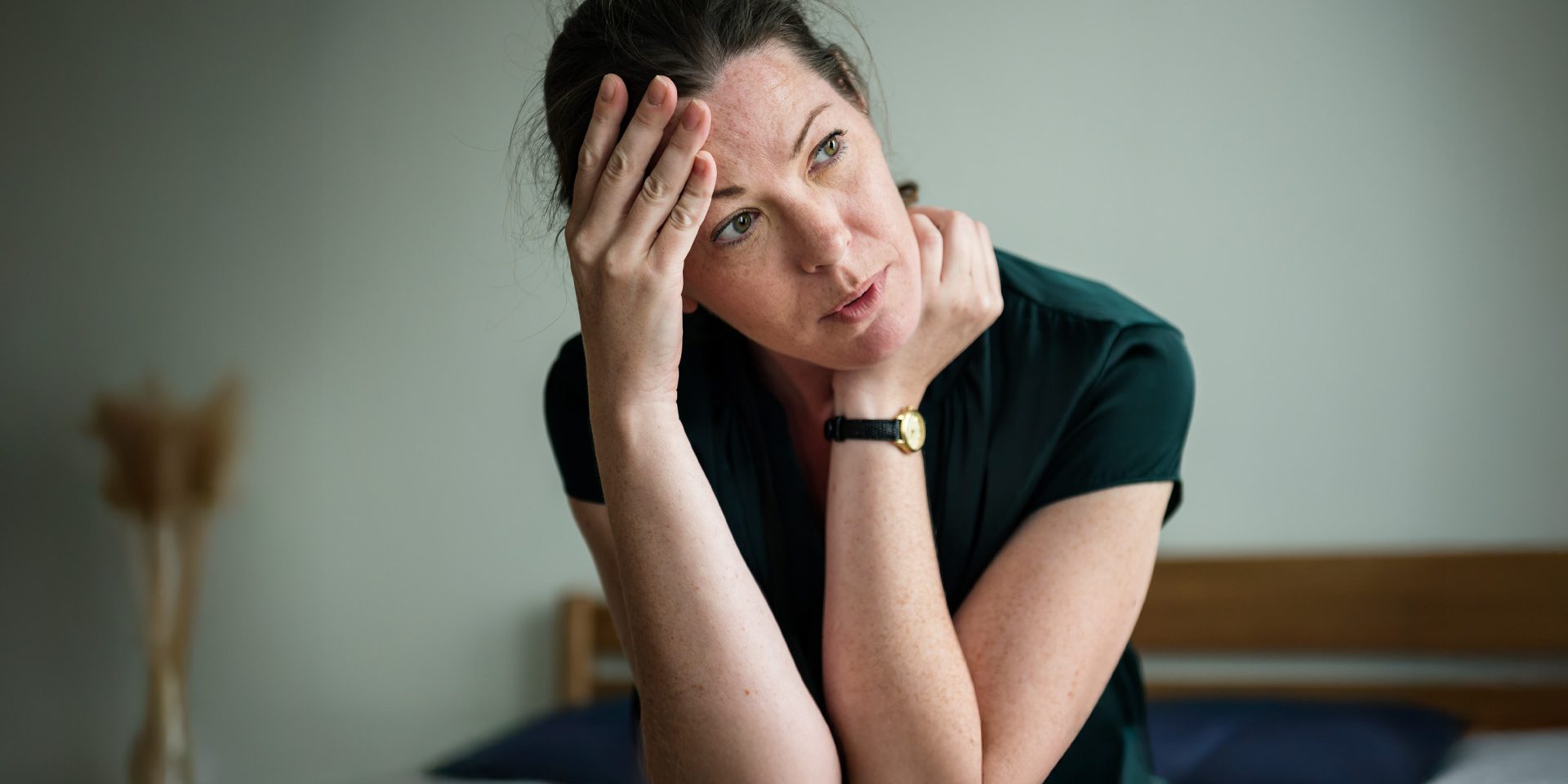
You’re rushing to the bathroom again – the third time this morning. When you get there, it burns. Later, you notice that familiar itch and dryness that seems to never go away. Your partner reaches for you tonight, but you find yourself making excuses because you know it’s going to hurt.
If this sounds like your reality, you’re not imagining things. And you’re definitely not alone.
What you’re experiencing might be Genitourinary Syndrome of Menopause, or GSM. It’s a condition that affects about half of all women after menopause, yet most suffer in silence. Many women think these uncomfortable changes are just something they have to “live with” as they age.
But here’s what we want you to know: you don’t have to accept this as your new normal.
What Is GSM Really?
Genitourinary Syndrome of Menopause is the medical term for a collection of changes that happen to your vaginal and urinary areas when estrogen levels drop during menopause. You might have heard it called “vaginal atrophy” before, but GSM is a more complete description of what’s really happening.
Think of estrogen as your body’s natural moisturizer and tissue protector. When estrogen levels fall during menopause, it’s like that protection disappears. The tissues in your vagina and urinary tract start to change in ways that can make daily life uncomfortable.
Here’s what happens: your vaginal walls become thinner, drier, and less flexible. The natural balance that keeps everything healthy gets disrupted. Even your urinary tract is affected, which is why you might be dealing with more infections or that urgent need to run to the bathroom.

The Symptoms That Disrupt Your Life
GSM doesn’t just cause physical discomfort – it can affect every part of your life. The most common symptoms include:
Vaginal Changes
- Persistent dryness that doesn’t go away
- Itching or burning that makes you constantly uncomfortable
- A feeling of tightness or soreness
Painful Intimacy
- Sex becomes uncomfortable or downright painful
- Light bleeding during or after intercourse
- Loss of sexual desire because you associate intimacy with pain
Urinary Problems
- Burning when you urinate
- Feeling like you need to go to the bathroom constantly
- More frequent urinary tract infections
- Occasional leaking when you cough, laugh, or exercise
These aren’t just minor inconveniences. Many women tell us these symptoms make them feel older than their years, less feminine, or disconnected from their partners. Some avoid intimacy altogether, which can strain even the strongest relationships.

Why GSM Happens (And Why It’s Not Your Fault)
During your reproductive years, estrogen kept your vaginal and urinary tissues healthy, thick, and well-lubricated. Estrogen also maintained the right pH balance and supported the good bacteria that protect against infections.
When menopause begins, your ovaries produce much less estrogen. Without this hormone, several changes occur:
- Vaginal walls become thinner and more fragile
- Natural lubrication decreases dramatically
- The tissue becomes less elastic and more prone to irritation
- pH levels shift, making infections more likely
- Blood flow to the area decreases
These changes don’t happen overnight, but they’re progressive. That means if left untreated, GSM symptoms often get worse over time, not better.
The important thing to understand is that this is a normal biological process – not something you’ve done wrong or failed to prevent. But just because it’s common doesn’t mean you have to suffer through it.

You Have Treatment Options
Here’s the hopeful news: GSM is very treatable. You don’t need to resign yourself to years of discomfort or give up on intimate relationships. With the right approach, most women can find significant relief and get back to feeling like themselves again.
Starting Simple: Self-Care Approaches
For mild symptoms, many women begin with over-the-counter options:
Vaginal Moisturizers: These are different from lubricants. You use moisturizers regularly (not just during sex) to help restore moisture to vaginal tissues. Think of them like daily face moisturizer, but for intimate areas.
Lubricants: Water-based lubricants can make intimacy more comfortable while you’re addressing the underlying problem.
While these approaches can provide some relief, they don’t fix the root cause – they’re more like putting a band-aid on the problem.
The Gold Standard: Hormone Replacement Therapy
For lasting relief, hormone replacement therapy is the most effective treatment for GSM. By restoring estrogen to your system, HRT can actually reverse many of the changes that are causing your symptoms.
Local Estrogen Treatment: Low-dose vaginal estrogen (available as creams, tablets, or rings) delivers hormone directly where it’s needed. This approach has minimal absorption into your bloodstream while maximizing benefits to vaginal and urinary tissues.
Optimized Hormone Therapy: If you’re dealing with other menopause symptoms like hot flashes, night sweats, or mood changes along with GSM, optimized hormone therapy can address everything at once. This might include estrogen pills, patches, or pellets, often combined with progesterone for women who still have their uterus.
Many women notice improvements in lubrication and comfort within just a few weeks of starting hormone therapy. Pain during intimacy often decreases significantly, and urinary symptoms improve as tissues become healthier.
FormaV: Gentle Support for Your Treatment: Many women find that combining hormone therapy with FormaV vaginal rejuvenation creates even better results.
FormaV uses gentle radiofrequency technology to naturally stimulate your body’s own healing response, improving vaginal elasticity, circulation, and natural lubrication. The treatment is comfortable and takes just 15-30 minutes, with no downtime needed.
FormaV can help enhance the benefits of hormone therapy while providing additional support for bladder control and overall intimate comfort. It’s an especially good option for women who want to maximize their GSM treatment results in a gentle, non-invasive way.

Taking Back Control of Your Intimate Health
The most important thing to remember is that you have choices. GSM might be common, but that doesn’t make it normal or something you should just accept.
Many women wait years before seeking help, thinking their symptoms will improve on their own or that nothing can be done. The reality is that GSM typically gets worse over time without treatment – but it responds very well to the right therapy.
You deserve to feel comfortable in your own body. You deserve to enjoy intimacy without pain. You deserve to go through your day without constantly thinking about vaginal discomfort or rushing to the bathroom.
Your Next Steps
If you’re experiencing symptoms of GSM, here’s what you can do:
- Recognize that your symptoms are real and treatable – this isn’t something you need to suffer through alone.
- Track your symptoms so you can describe them clearly to your healthcare provider.
- Schedule a consultation with a provider who specializes in menopause and hormone health.
- Be honest about how symptoms are affecting your life – including your intimate relationships.
- Ask about all your treatment options and discuss which might be best for your situation.
At Florida Center for Hormones and Wellness, we understand how deeply GSM can affect your quality of life. We’ve helped countless women reclaim their comfort, confidence, and intimate relationships through personalized hormone therapy.
If you’re ready to feel like yourself again, learn more about our hormone replacement therapy services, FormaV, or call us at 407-507-3837 to schedule your consultation.
You don’t have to suffer in silence anymore. Relief is possible, and it starts with a conversation about what you’re experiencing and what you want to achieve. We’re here to help you navigate this journey with expertise, empathy, and hope.
Your comfort and well-being matter. Let us help you reclaim them.